Art Fairs as a Platform for Art Education and Engagement
Art Fairs: A Hub for Artistic Exploration
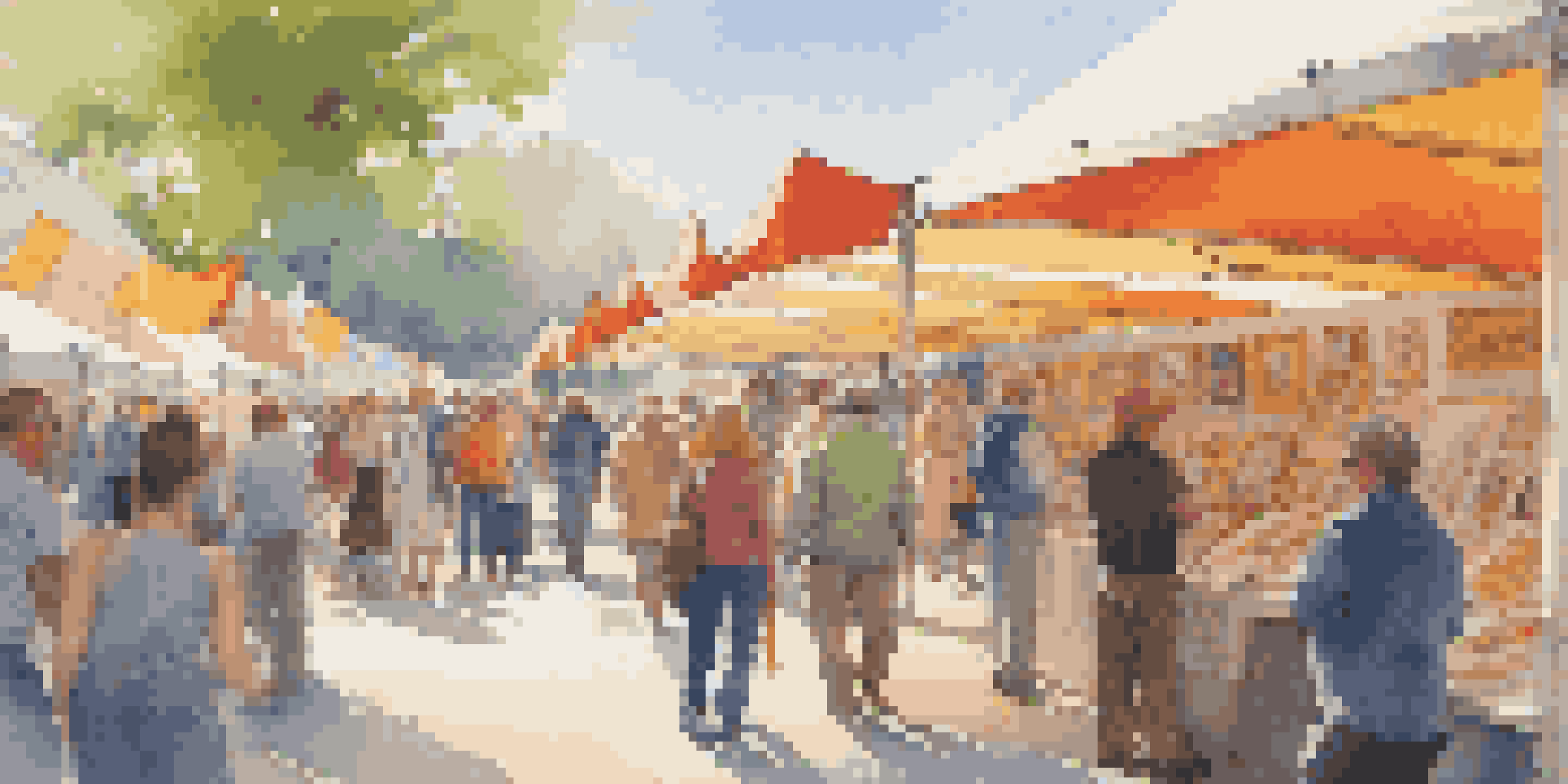
Art fairs are more than just marketplaces; they are vibrant hubs where creativity comes alive. They provide a unique opportunity for artists, collectors, and the public to engage with a diverse range of artworks all in one place. This environment fosters artistic exploration, encouraging visitors to discover new artists and styles that they may not encounter in traditional galleries.
Art is not what you see, but what you make others see.
Imagine walking through a bustling fair, surrounded by vivid paintings, sculptures, and installations, all beckoning for your attention. Each booth tells a different story, allowing you to learn about the artist's background and inspirations. This immersive experience is akin to walking through a living museum, where the art is not just observed but felt.
Furthermore, art fairs often include educational programs, such as panel discussions and workshops, aimed at demystifying the art world. These initiatives not only enhance understanding but also ignite a passion for art that can last a lifetime.
Connecting Artists and Audiences
One of the greatest strengths of art fairs is their ability to bridge the gap between artists and art enthusiasts. Unlike conventional galleries, where access may be limited, art fairs encourage direct interaction. Visitors can meet artists and hear their stories firsthand, creating a personal connection that enhances the appreciation of the artwork.
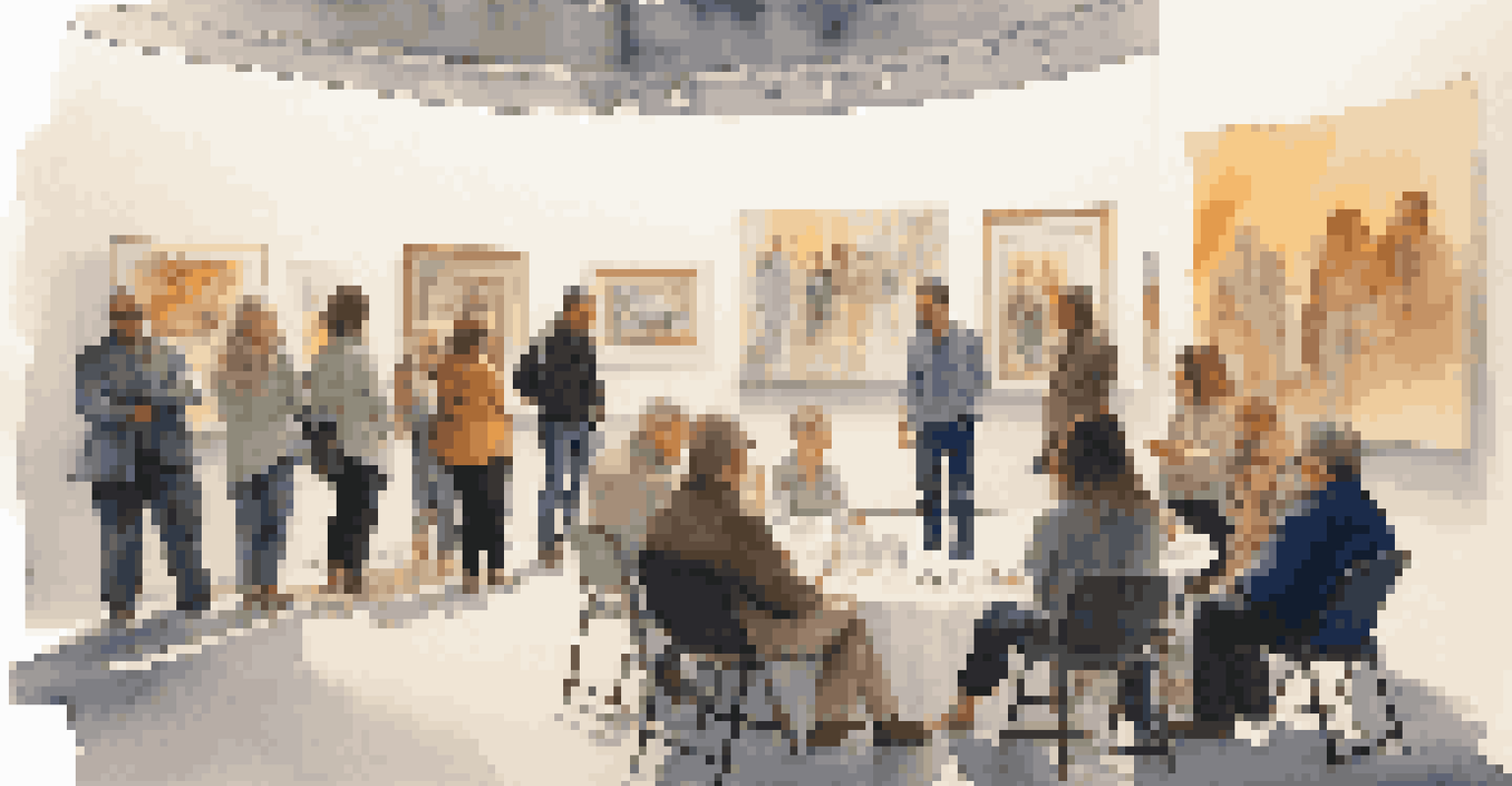
This connection can transform casual viewers into passionate advocates for an artist's work. For instance, when an artist explains the process behind their piece, it can evoke a deeper emotional response from the audience. It's this kind of engagement that turns a simple observation into a memorable experience.
Art Fairs as Creative Hubs
Art fairs provide vibrant environments for artistic exploration, allowing visitors to engage directly with diverse artworks and artists.
Moreover, this direct interaction can lead to fruitful conversations about the themes and techniques used in the art, fostering a deeper understanding. By engaging with artists, attendees become part of the art-making narrative, enriching their appreciation and understanding of the creative process.
Educational Programs: Learning Through Art
Many art fairs incorporate educational programs designed to enhance visitors' knowledge and appreciation of art. These programs can range from guided tours to artist talks, providing insights into various artistic practices and trends. They serve as an excellent way for attendees to deepen their understanding of art in a supportive and engaging environment.
Art enables us to find ourselves and lose ourselves at the same time.
For example, a guided tour might highlight specific works and discuss their historical context, helping participants see the bigger picture. This structured approach not only makes art more accessible but also encourages critical thinking about the pieces on display. Visitors leave with a richer understanding and appreciation of the art they experienced.
In addition to traditional formats, many fairs are now embracing digital platforms to reach a wider audience. Virtual panels and workshops allow art lovers from around the world to engage with experts and artists, making art education more inclusive than ever.
Fostering Community Engagement
Art fairs are not just about individual experiences; they also play a vital role in fostering community engagement. By bringing together artists, collectors, and the public, these events create a sense of belonging and connection. They encourage dialogue about art’s role in society and its impact on local communities.
For instance, many art fairs collaborate with local schools and community organizations to create outreach programs. These initiatives can introduce students to art and creativity, inspiring the next generation of artists and art lovers. Such efforts ensure that art education is not limited to the elite but is accessible to everyone.
Building Connections
These events foster personal connections between artists and audiences, transforming casual viewers into passionate advocates for the art.
Additionally, community engagement at art fairs often leads to a greater appreciation of local culture and heritage. By featuring local artists and themes, fairs can highlight the unique stories and perspectives of the communities they serve, creating a more vibrant and inclusive art scene.
Encouraging Diversity in Artistic Expression
Diversity is a cornerstone of many art fairs, showcasing a wide range of artistic styles, cultures, and perspectives. By promoting underrepresented artists, these events create a more inclusive art world that reflects the richness of human experience. Visitors have the chance to discover works that challenge their perceptions and broaden their horizons.
Consider the impact of encountering a piece that speaks to a culture or experience outside your own. It can spark conversations that lead to greater understanding and appreciation of different viewpoints. This exposure not only enriches the art fair experience but also fosters empathy among attendees.
Moreover, many art fairs actively seek to highlight marginalized voices, making a conscious effort to include diverse artists. This commitment to representation is vital in shaping a more equitable art landscape, where all stories and experiences are valued.
Networking Opportunities for Artists and Collectors
Art fairs provide invaluable networking opportunities for artists, collectors, and art professionals. These gatherings are fertile ground for building relationships and collaborations that can last far beyond the event itself. Artists can meet potential buyers, gallery owners, and curators, opening doors to new opportunities in their careers.
For collectors, art fairs offer a chance to discover emerging talent and acquire unique pieces directly from the artists. The personal connection made during these encounters often leads to lasting relationships, transforming a one-time purchase into a deeper engagement with the artist's work.
Promoting Diversity in Art
Art fairs highlight underrepresented voices, creating a more inclusive art world that enriches attendees' understanding of diverse perspectives.
Additionally, many fairs host industry professionals who provide insights into trends and market dynamics. This knowledge can be crucial for artists looking to navigate the complex landscape of the art world, helping them make informed decisions about their careers.
The Future of Art Fairs and Education
As the art world continues to evolve, so too do art fairs and their role in education. The integration of technology, such as virtual reality and online platforms, is transforming how audiences interact with art. This shift not only makes art more accessible but also offers innovative ways to engage with educational content.
For example, virtual tours of art fairs can reach global audiences, allowing people to experience the event from the comfort of their homes. This democratization of access opens up new avenues for art education, ensuring that everyone has the opportunity to learn and engage with art.
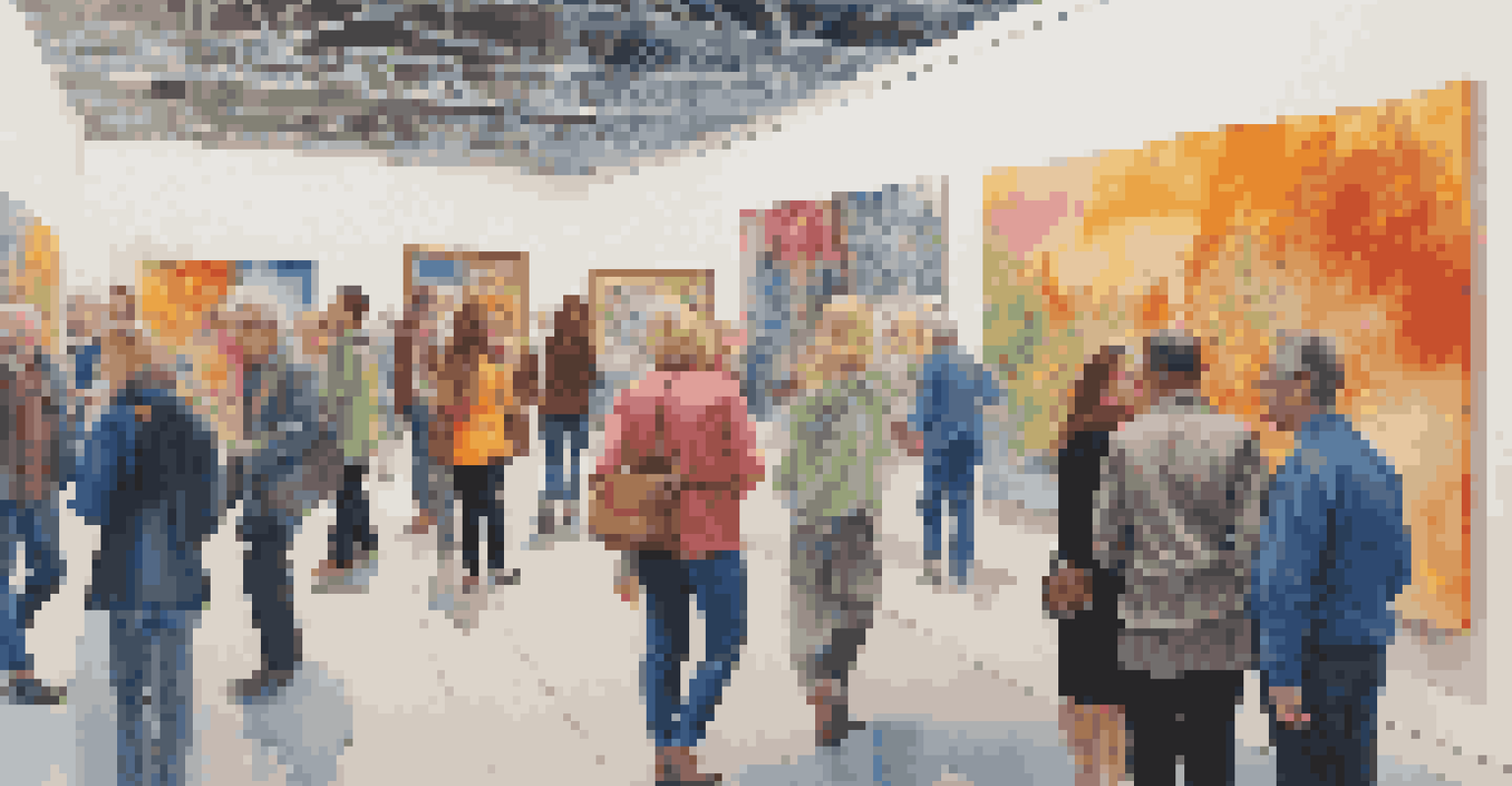
Looking ahead, art fairs will likely continue to embrace these changes, further enhancing their role as platforms for education and engagement. By fostering an inclusive and dynamic atmosphere, they can inspire future generations to appreciate and create art in all its forms.