The Journey of Coffee Beans: From Farm to Cup
The Origins of Coffee: Where It All Begins
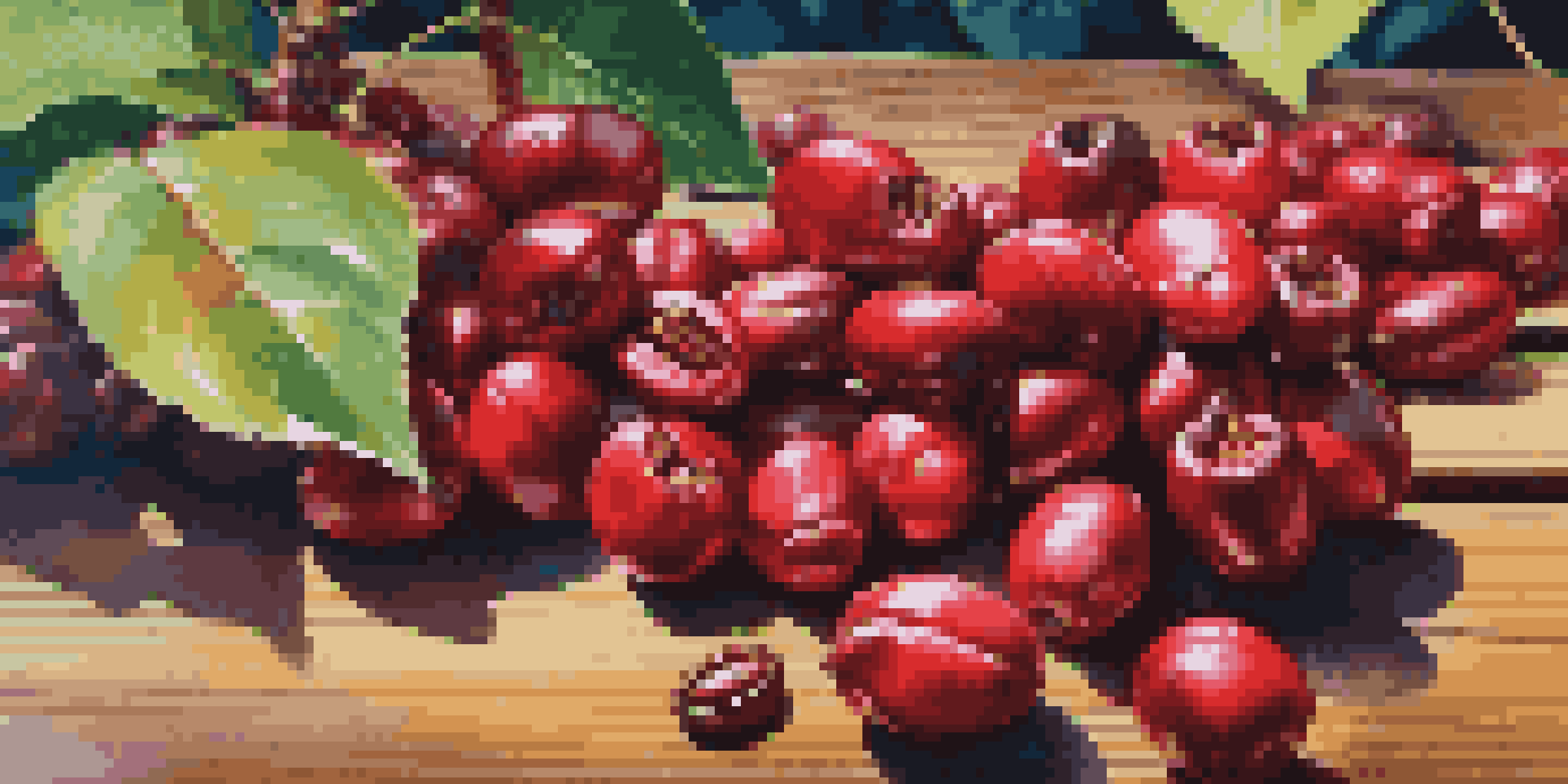
Coffee's journey starts on lush farms, primarily found in tropical regions like Brazil, Colombia, and Ethiopia. Here, coffee plants flourish in rich soil and ideal climates, producing the cherries that hold the precious beans. Farmers cultivate these plants with great care, ensuring each cherry is ripe and ready for harvest.
Coffee is a language in itself.
Once the cherries are harvested, they undergo a meticulous selection process. Workers handpick only the best cherries, which is crucial because the quality of the beans heavily influences the final brew. This attention to detail is a labor of love that reflects the dedication of coffee farmers worldwide.
As the cherries are gathered, the adventure of the beans is just beginning. Each cherry contains two coffee beans, and the journey from farm to cup involves several essential steps that transform these raw beans into the aromatic beverage we crave every morning.
Processing Coffee: The Magic Begins
After harvesting, coffee cherries must be processed to extract the beans. There are two primary methods: the dry method, where cherries are spread out in the sun, and the wet method, which involves soaking the cherries to remove the pulp. Each method imparts different flavors to the beans, showcasing the diversity of coffee.

Post-processing, the beans are hulled to remove their outer layers, leaving behind the green coffee beans that are ready for roasting. This stage is crucial, as it sets the foundation for the coffee's final taste. Depending on the processing method, the beans can develop fruity, floral, or earthy notes.
Coffee's Journey Starts at the Farm
The quality of coffee beans begins with careful cultivation and harvesting on tropical farms.
Processing not only enhances flavor but also preserves the beans' freshness. Properly processed beans can be stored for months, ensuring that they retain their quality by the time they reach your local coffee shop or grocery store.
The Roasting Process: Transforming Beans to Flavor
Roasting is where the magic truly happens. Green coffee beans undergo a transformation, where heat brings out their unique flavors and aromas. The roasting process can vary from light to dark, allowing for a range of flavor profiles that cater to different palates.
A cup of coffee is a cup of hope.
During roasting, the beans crack and expand, releasing oils that contribute to their rich flavor. Each roast level brings out different characteristics; for instance, light roasts often highlight fruity notes, while dark roasts tend to emphasize chocolatey or smoky flavors. This is why coffee enthusiasts often have a preferred roast level.
After roasting, the beans are allowed to cool and are then packaged for sale. This is a crucial step, as freshly roasted beans offer the best flavor. Many coffee lovers prefer to buy whole beans and grind them just before brewing to maximize their coffee experience.
Grinding Coffee: The Key to the Perfect Brew
Grinding coffee beans is an art that directly impacts the quality of your cup. The grind size can vary from coarse for French press to fine for espresso, and each method requires a different approach. Finding the right grind is essential for extracting the best flavors during brewing.
When you grind coffee, you're breaking down the beans to increase their surface area, allowing water to extract flavors more effectively. This process releases the aromatic oils and compounds that contribute to the rich taste of coffee. However, an uneven grind can lead to over-extraction or under-extraction.
Roasting Brings Out Unique Flavors
The roasting process transforms green beans, highlighting various flavor profiles based on roast level.
A good grinder is worth its weight in gold for coffee aficionados. Investing in a quality burr grinder ensures a consistent grind, which is key to achieving that perfect cup every time you brew.
Brewing Methods: Crafting Your Perfect Cup
Now comes the fun part—brewing! There are countless methods to brew coffee, each offering a unique experience and flavor profile. From classic drip coffee makers to the trendy pour-over and French press, each method allows you to explore the coffee's nuances.
The brewing temperature, time, and technique all play vital roles in extracting flavors from the coffee grounds. For instance, a French press allows for full immersion of the coffee, resulting in a rich and robust brew, while a pour-over method offers more control over water flow and extraction time.
Experimenting with different brewing techniques can lead to delightful discoveries. Whether you're a fan of bold espresso or a light, fruity pour-over, finding your favorite method is part of the enjoyment of the coffee journey.
The Importance of Water: A Coffee Essential
Did you know that water makes up about 98% of your cup of coffee? The quality of water you use can significantly affect the taste of your brew. Using filtered water helps remove impurities and enhances the coffee's flavor, allowing you to enjoy the true essence of the beans.
Moreover, the temperature of the water during brewing is crucial. Ideally, water should be between 195°F and 205°F to extract the coffee's full flavor without burning the grounds. Too hot or too cold can lead to a less-than-ideal cup, so finding that sweet spot is essential.
Water Quality Impacts Brew Taste
Using filtered water at the right temperature enhances the extraction of flavors in your coffee.
Next time you brew, consider the water you're using; it might just be the missing ingredient in your quest for the perfect cup of coffee.
Savoring Your Coffee: The Final Touch
Once your coffee is brewed, it’s time to enjoy the fruits of your labor. Take a moment to appreciate the aroma, the rich color, and the warmth of the cup in your hands. Sipping your coffee is not just about the taste; it’s an experience that can bring comfort and joy to your day.
Adding milk, cream, or sweeteners is a personal choice, and it can enhance the flavor profile of your coffee. Some prefer it black to fully appreciate the beans' nuances, while others enjoy a creamy, sweetened version. Both are valid choices, reflecting individual preferences.

No matter how you take your coffee, it's the culmination of a remarkable journey—from the farms where beans are grown to the cup in your hands. Each sip reminds us of the dedication and craftsmanship involved in bringing this beloved beverage to life.